The Future of Work in an AI-Driven World
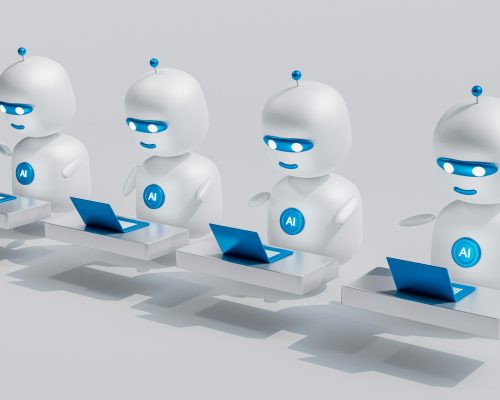
Artificial intelligence is transforming the very fabric of how people work. It is automating repetitive tasks, streamlining workflows, and even redefining what skills are considered most valuable in the modern job market. According to the World Economic Forum, while about 85 million jobs may be displaced by 2025, nearly 97 million new roles will emerge that integrate human creativity, critical thinking, and collaboration with advanced technology. The future workplace will likely rely on a blend of human and machine intelligence.
Rather than replacing humans entirely, AI is augmenting professionals across industries. In marketing, AI tools generate campaign insights; in healthcare, they assist doctors in identifying diseases; and in manufacturing, they optimize production efficiency. The rise of hybrid work models has also accelerated this shift, with AI enhancing remote collaboration through features like real-time transcription and predictive scheduling.

However, success in this evolving landscape will depend on the ability to adapt. As routine, information-processing tasks are automated, demand is growing for roles that emphasize emotional intelligence, adaptability, and creative problem-solving. Companies are beginning to see continuous learning as essential, investing in personalized AI-driven training programs that prepare workers for the roles of tomorrow.
The future of work in an AI-driven world will not be defined by machines replacing humans, but by how effectively humans learn to work alongside them. By embracing flexibility, upskilling continuously, and focusing on irreplaceable human qualities, workers can thrive in a future where AI enhances—rather than replaces—their potential.