The Hidden Power Behind Chatbots and Virtual Assistants
Chatbots and virtual assistants have quickly become the silent backbone of daily digital interactions. From providing instant answers on websites to managing schedules and smart home devices, these tools are reshaping how people interact with technology. Powered by natural language processing (NLP) and machine learning, they can understand human language, interpret intent, and respond in a more natural, conversational way.
In 2025, nearly 80% of customer interactions involve some form of AI assistance. Businesses use chatbots to handle customer queries, support services, and automate repetitive tasks, freeing human agents to focus on complex issues. Virtual assistants like Siri, Alexa, and Google Assistant go further, integrating across devices and learning user habits to provide personalized assistance—from setting reminders to controlling home environments.
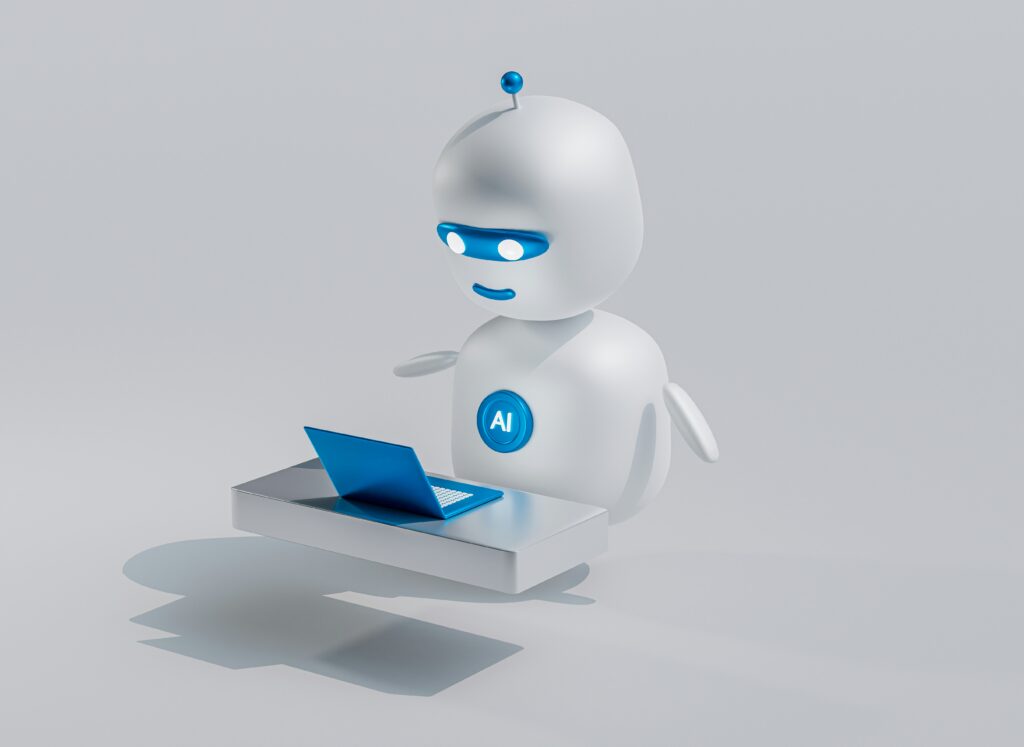
As chatbots become more advanced, their capabilities are expanding beyond simple Q&A. They are now capable of recognizing context, retaining memory across conversations, and proactively predicting user needs. For instance, they might suggest rescheduling meetings when detecting calendar conflicts or recommend personalized shopping lists based on previous behavior. Improved NLP allows them to understand slang, multiple languages, and emotional tone, creating more human-like interactions.
Despite their benefits, challenges persist—particularly around privacy and security. Collecting personal data to deliver better recommendations raises questions about how information is stored and protected. Developers are addressing this with smarter encryption, anonymization, and transparent data policies.
Ultimately, chatbots and virtual assistants aren’t just digital helpers—they represent a gateway to a more connected world, where intelligent systems anticipate our needs, streamline communication, and redefine the meaning of convenience.